Daddy s Little Boo SVG Cut File Review
As a designer who has spent years translating digital graphics into tangible stitched goods, I approach every new asset with a critical eye. The market is flooded with machine embroidery design options and vector files, but not all of them translate well from the screen to the fabric. Today, I am evaluating the Daddy s Little Boo SVG Cut File. While this product is marketed primarily as a digital download for cutting machines like Cricut and Silhouette, its potential extends far beyond vinyl application. For those of us in the world of custom apparel and handmade products, understanding how a graphic translates to an embroidery file or a hybrid project is essential for maintaining professional quality.
First Impressions: Mood and Visual Personality
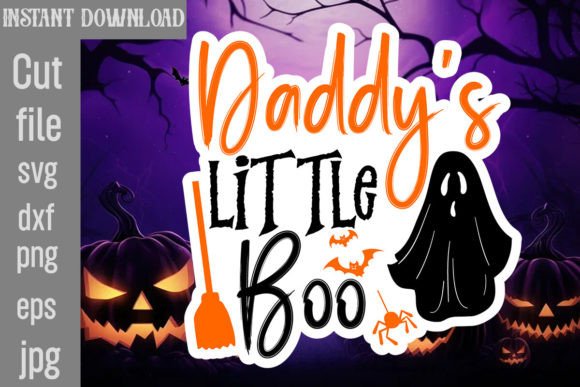
When I first opened the preview for Daddy s Little Boo SVG Cut File, the immediate vibe was one of playful affection. The typography is bold yet rounded, avoiding sharp angles that can sometimes look aggressive on soft textiles. This makes it an excellent candidate for baby embroidery projects or items intended for young children. The layout suggests a design that relies on clean lines and clear negative space, which is crucial when considering how thread interacts with fabric texture.
In the realm of Crafts and Graphics, a design must do more than just look good on a monitor; it needs to possess a visual personality that survives the manufacturing process. This particular design feels warm and inviting, perfect for creating a personalized gift that resonates emotionally. Whether you are planning a boutique product line or a single custom order, the aesthetic leans heavily towards the sentimental side of the market, appealing to parents looking for unique ways to celebrate their bond with their child.
From Digital Download to Stitched Reality
The product description clearly states that your download includes a .zip file containing an SVG, DXF, EPS, and PNG file. As a reviewer focused on real-world application, I need to address the elephant in the room: these are vector and raster files, not native stitch files. However, this does not disqualify the design from being used in embroidery. Many experienced designers use these vector assets to create custom digital embroidery file conversions or to create applique designs where the shape is cut from fabric and then stitched down.
Imagine preparing a custom embroidered tote bag or a cozy sweatshirt for a client. If I were to convert the Daddy s Little Boo SVG Cut File into a stitchable format, the thick lettering would be ideal for fill stitch, ensuring the text remains legible even after multiple washes. The curves of the letters suggest they could also work beautifully with satin stitch outlines, adding a glossy, premium finish that elevates the perceived value of the finished product.
For a small business owner running an Etsy shop, this versatility is key. You could use the SVG to cut a heat-transfer vinyl decal for a quick turnaround, or you could take the time to digitize the shape for high-end custom apparel using actual thread. The latter option often commands a higher price point because customers recognize the tactile quality of real stitching over plastic-like vinyl.
Real-Life Application Scenarios
Let's visualize a specific scenario: a holiday gift order for a family reunion. A customer wants matching aprons for the grandparents and a onesie for the newest baby. Using Daddy s Little Boo SVG Cut File, I could adapt the design to fit different scales. On the onesie, the design might be smaller, requiring careful attention to stitch density to prevent puckering on the stretchy knit fabric. On the heavier cotton of the apron, the same design could be larger, allowing for more intricate details or perhaps an applique design technique where the letters are cut from contrasting fabric and stitched onto the background.
This flexibility makes it a strong asset for commercial embroidery projects. It fits seamlessly into nursery decor, such as pillow covers or tea towels, where the "Daddy's Little Boo" sentiment adds a personal touch that mass-produced items lack. For the Etsy seller, having a design that works across multiple product categories—from tote bag design to sweatshirt embroidery—maximizes the return on investment for the digital purchase.
Navigating Challenges and Limitations
While the design is promising, practical experience teaches us to be cautious about certain applications. Because the text contains curves and potentially tight corners depending on the final rendering, small hoop sizes could present a challenge. If you attempt to embroider this on a cap or a curved surface without proper resizing, the threads might bunch up, ruining the clarity of the message.
Fabric choice is another critical factor. On thin fabrics or highly textured materials, the weight of the thread required to fill the letters could cause distortion. In these cases, using a heavy-duty stabilizer becomes non-negotiable. Similarly, if you plan to use this design on dark fabric, you will likely need a backing layer of thread or a tonal underlay to ensure the colors pop. Without this, the design may lose its impact, affecting the overall handmade presentation and customer satisfaction.
Furthermore, while the PNG file offers a transparent background at 300 DPI, which is great for mockups, remember that a printable image is not a stitch guide. Do not rely solely on the visual appearance of the PNG to judge how the stitches will lay. Always test the design on scrap fabric first. Check the thread color contrast and review the stitch count before committing to expensive materials.
Design Integrity and Business Value
For creative entrepreneurs, the value of a design asset lies in its ability to build brand consistency and trust. When a customer receives a personalized gift featuring Daddy s Little Boo SVG Cut File, they are buying into the craftsmanship behind it. If the embroidery is sloppy or the design is poorly scaled, it reflects negatively on your entire craft business.
By taking the time to properly prepare this file—whether by converting it to a stitch file or carefully executing an applique version—you demonstrate professionalism. This attention to detail enhances buyer engagement and encourages repeat purchases. In a competitive market, the difference between a generic item and a high-quality small shop product often comes down to these finishing touches.
Practical Notes for the Designer
- Test First: Always run a test on a similar fabric scrap to check for puckering and tension issues.
- Stabilizer is Key: Use the appropriate stabilizer for the fabric weight, especially for stretchy knits or delicate baby clothes.
- Licensing Check: Before selling finished items or offering this as a digital product, confirm the licensing terms provided with the download. Ensure you have the right to use it for commercial embroidery.
- Mockup Strategy: Use the included PNG to create printable mockup previews for your online store, but ensure the actual production uses the vector files for precision.
- Scale Appropriately: Avoid shrinking the design too much for tiny items like caps unless you simplify the lines to accommodate the limitations of the machine.
Ultimately, Daddy s Little Boo SVG Cut File is a versatile tool in the maker's arsenal. It captures a sweet sentiment that sells well during holidays and special occasions. By approaching it with the mindset of a professional designer—considering stitch types, fabric interactions, and structural integrity—you can transform a simple digital download into a cherished, high-quality physical product. Whether you are making a one-off holiday embroidery piece or stocking a boutique with seasonal merchandise, this design offers a solid foundation for success when executed with care.